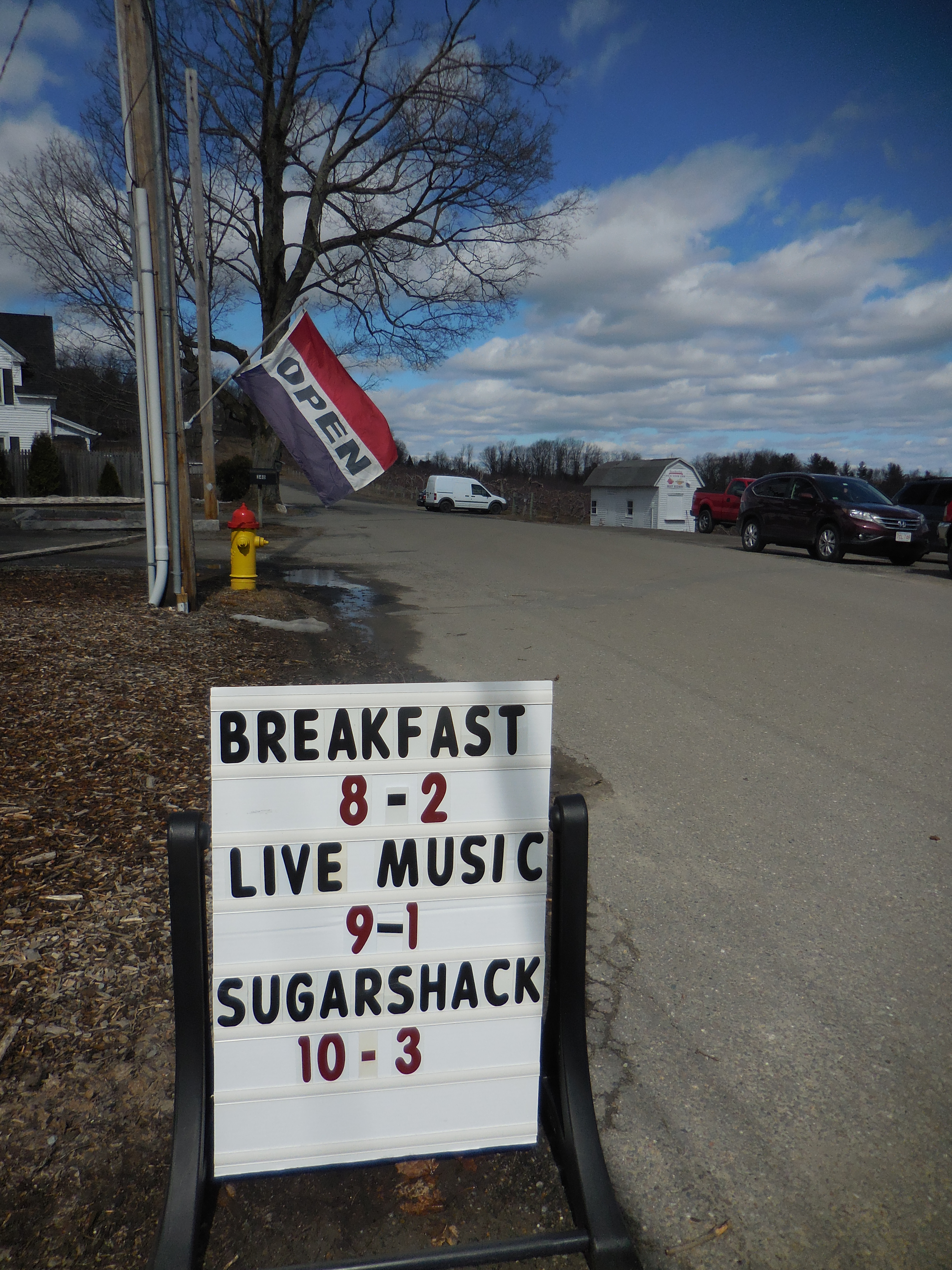
Hollis Hills Farm in Fitchburg, Mass. hosts maple breakfasts and an open sugar house on weekends throughout the month of March. 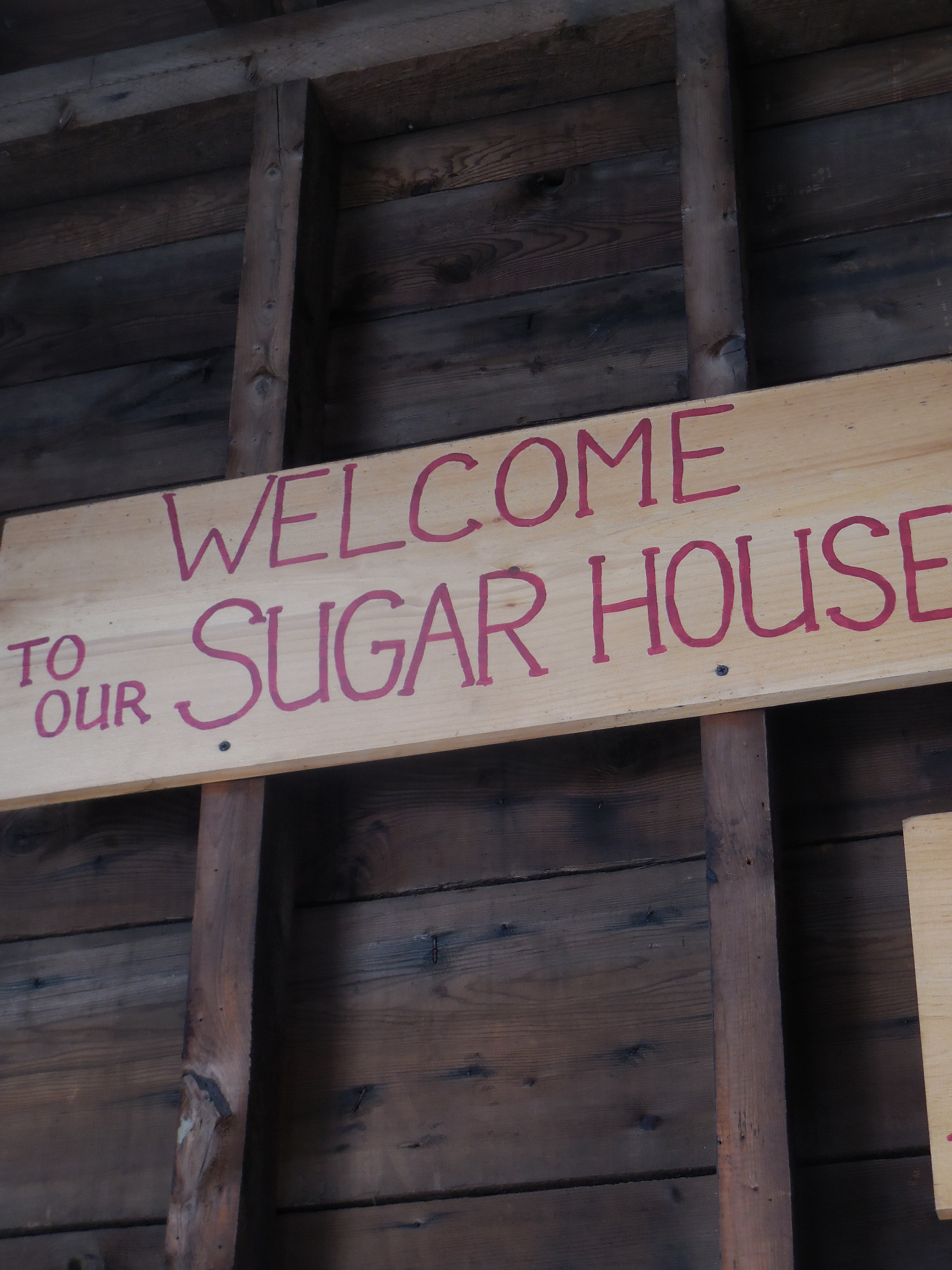
A sign welcoming visitors into the sugar house full of the aroma of maple scented steam. 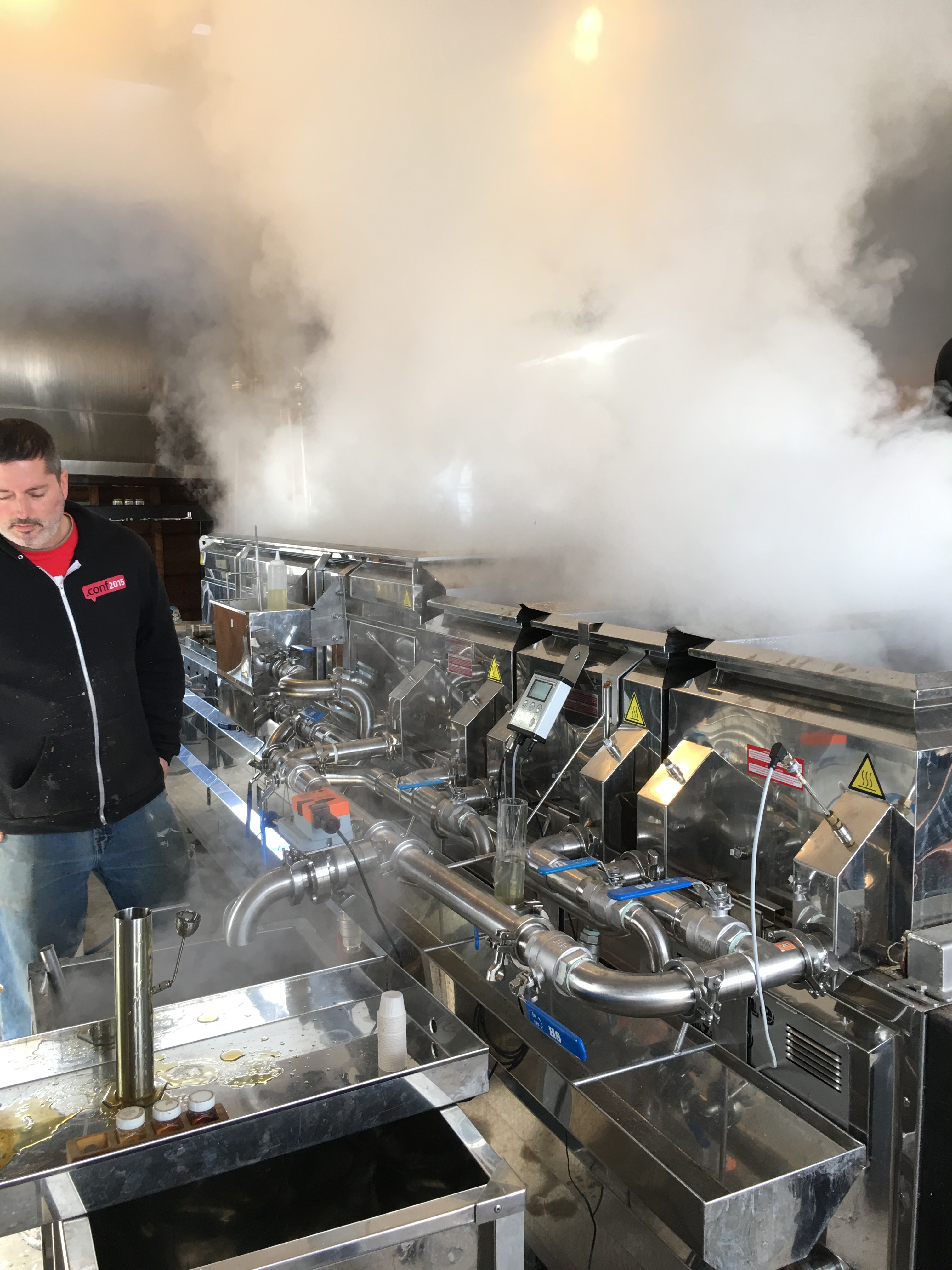
Steam rising from the log fueled evaporator that boils down the sap and removes excess water 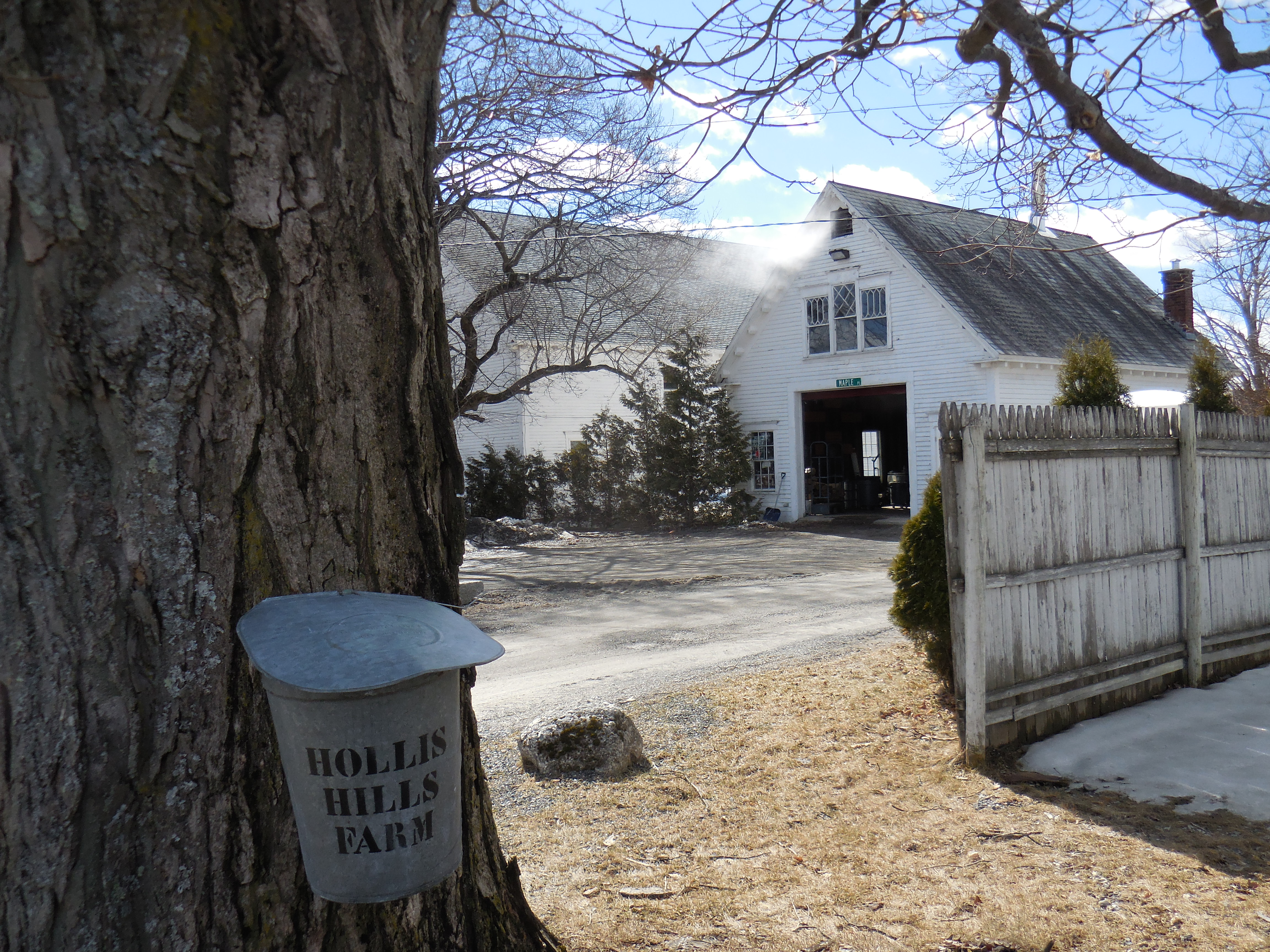
A view of the exterior of the Hollis Hills sugar house with a tap and bucket on a tree in the foreground. 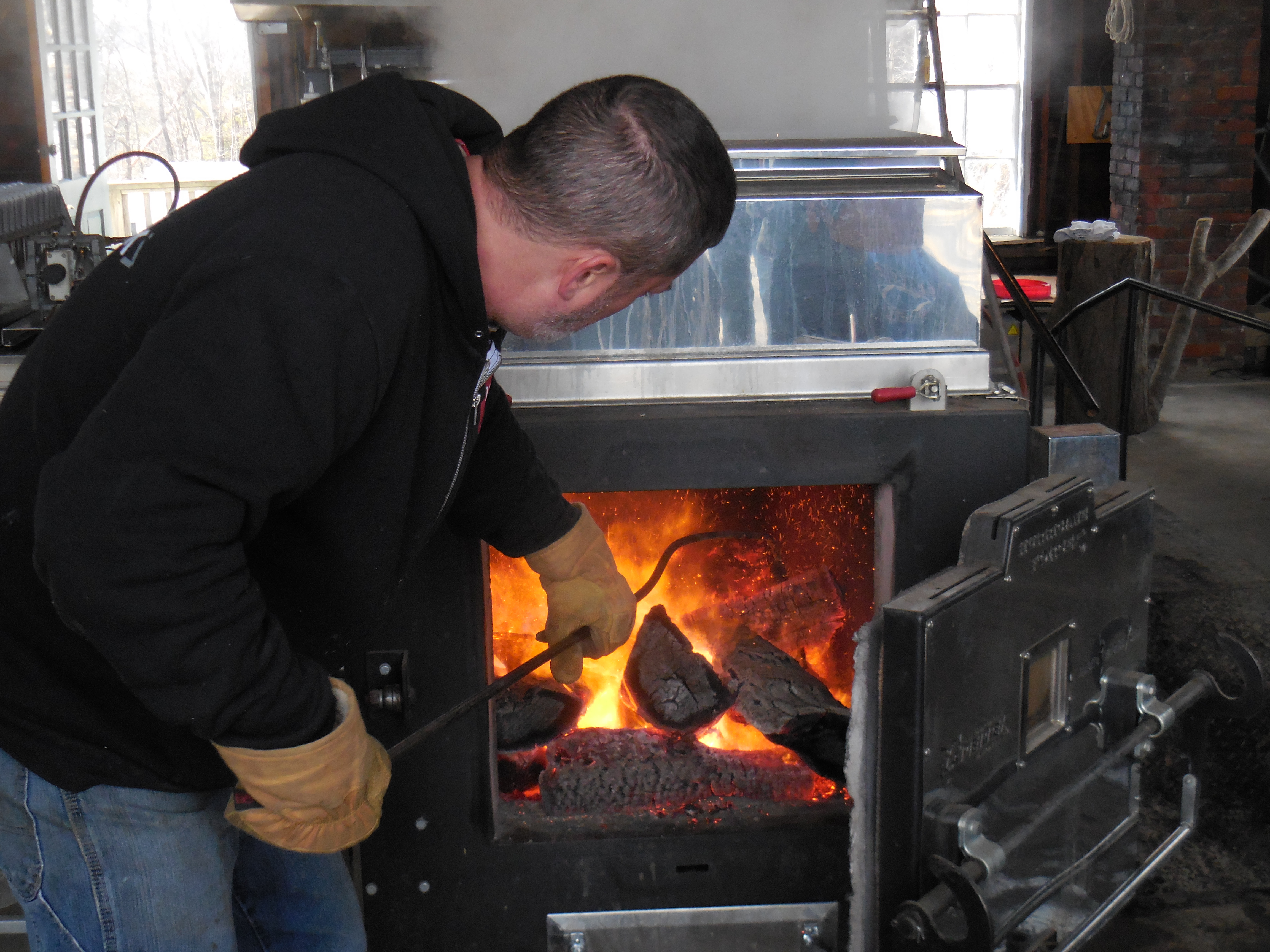
The evaporator being loaded with logs to fuel the flames beneath the machine. 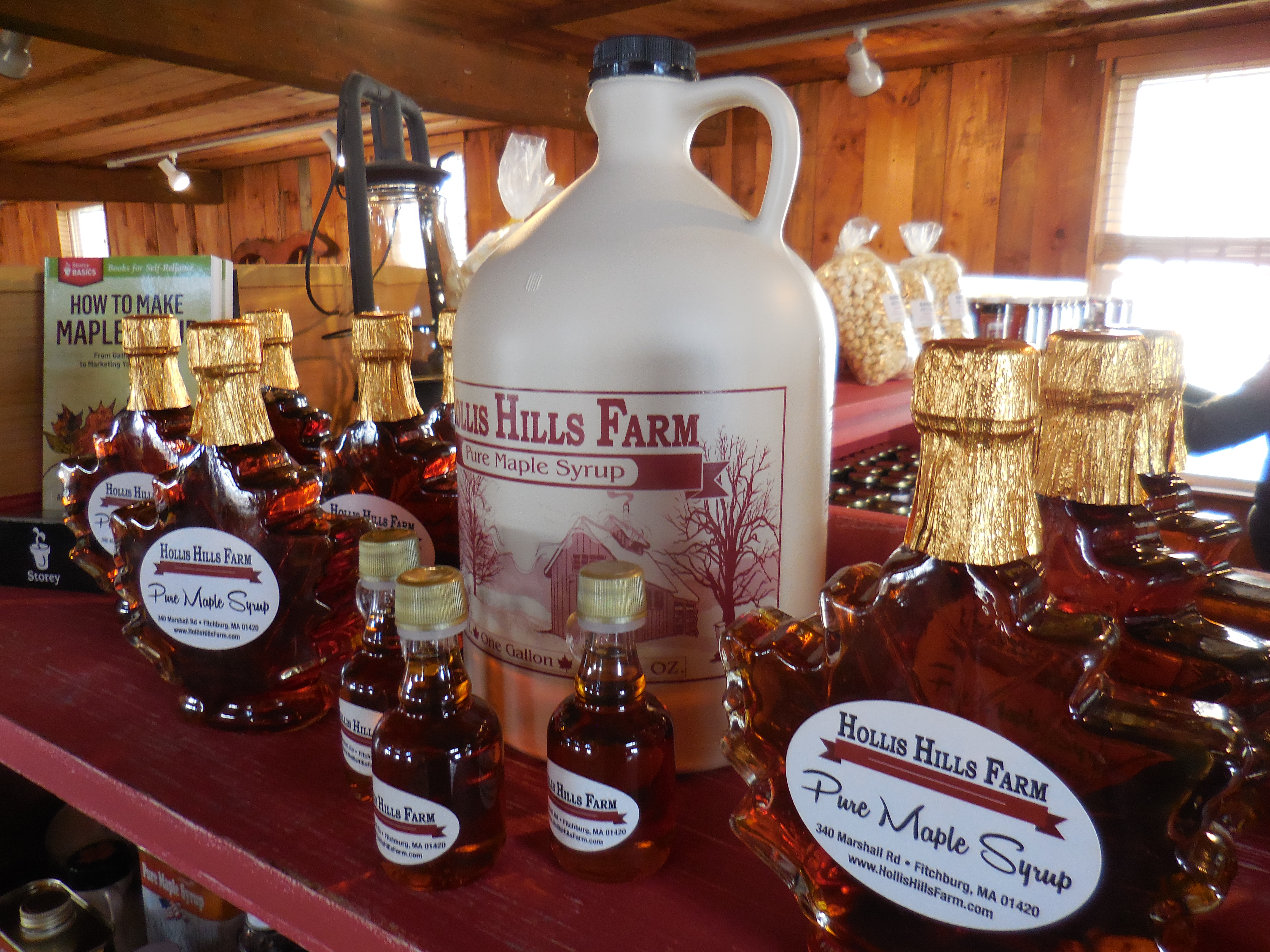
The finished maple syrup product for sale at Hollis Hills coming in various sizes. 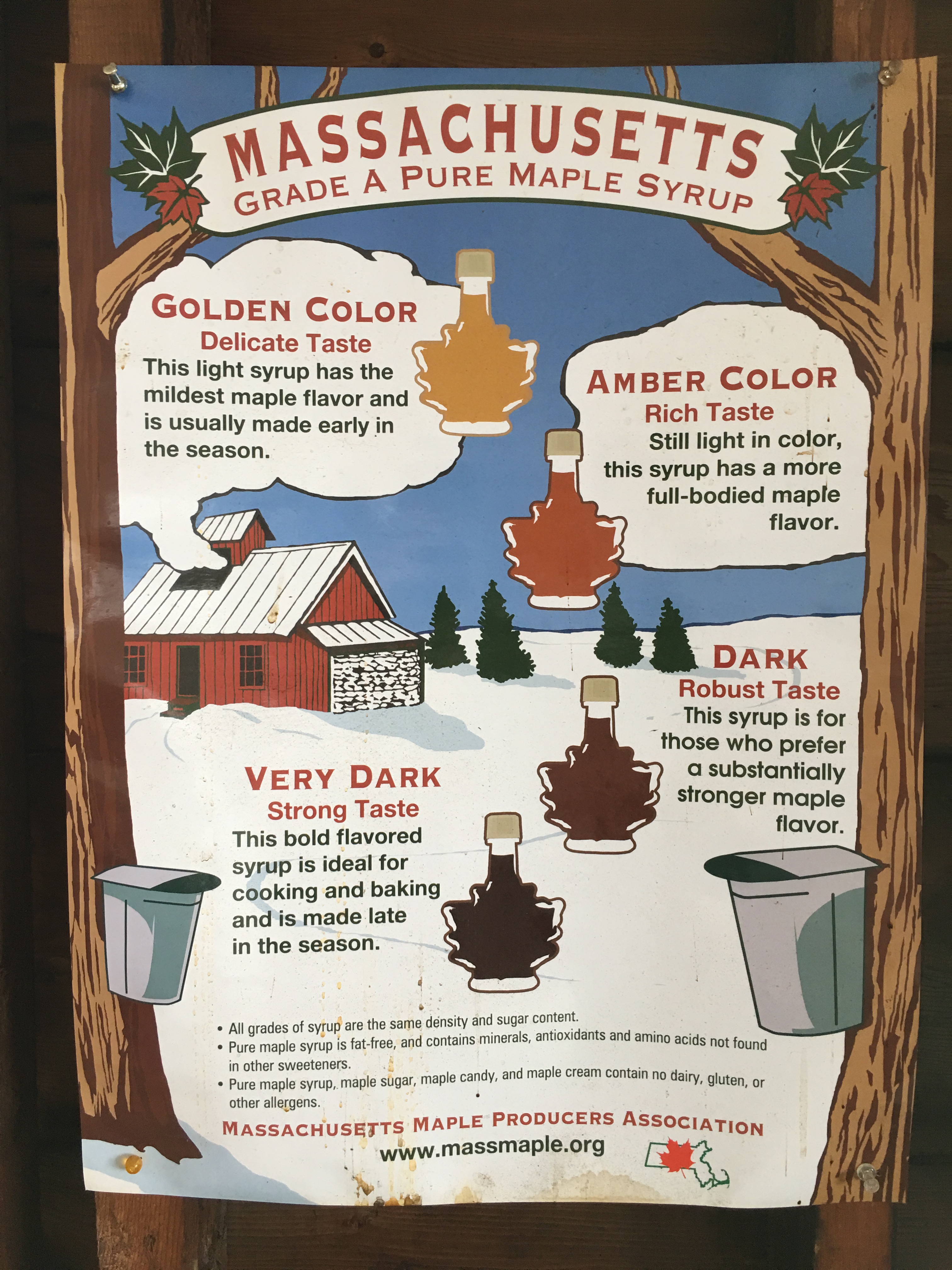
A poster from the Massachusetts Maple Producers Association detailing the different kinds of maple syrup. 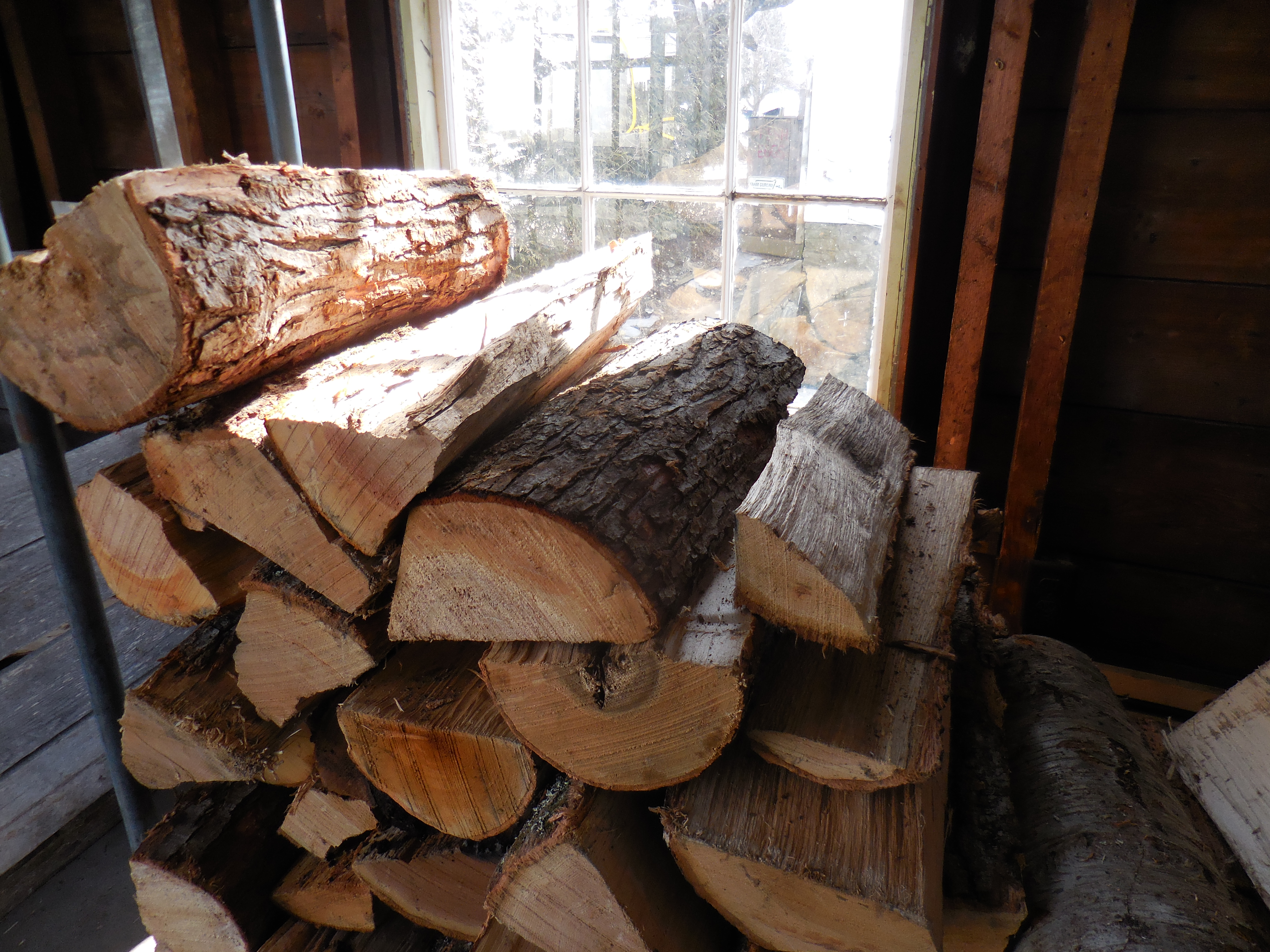
Logs by the window of the sugar house waiting to be burned in the evaporator. 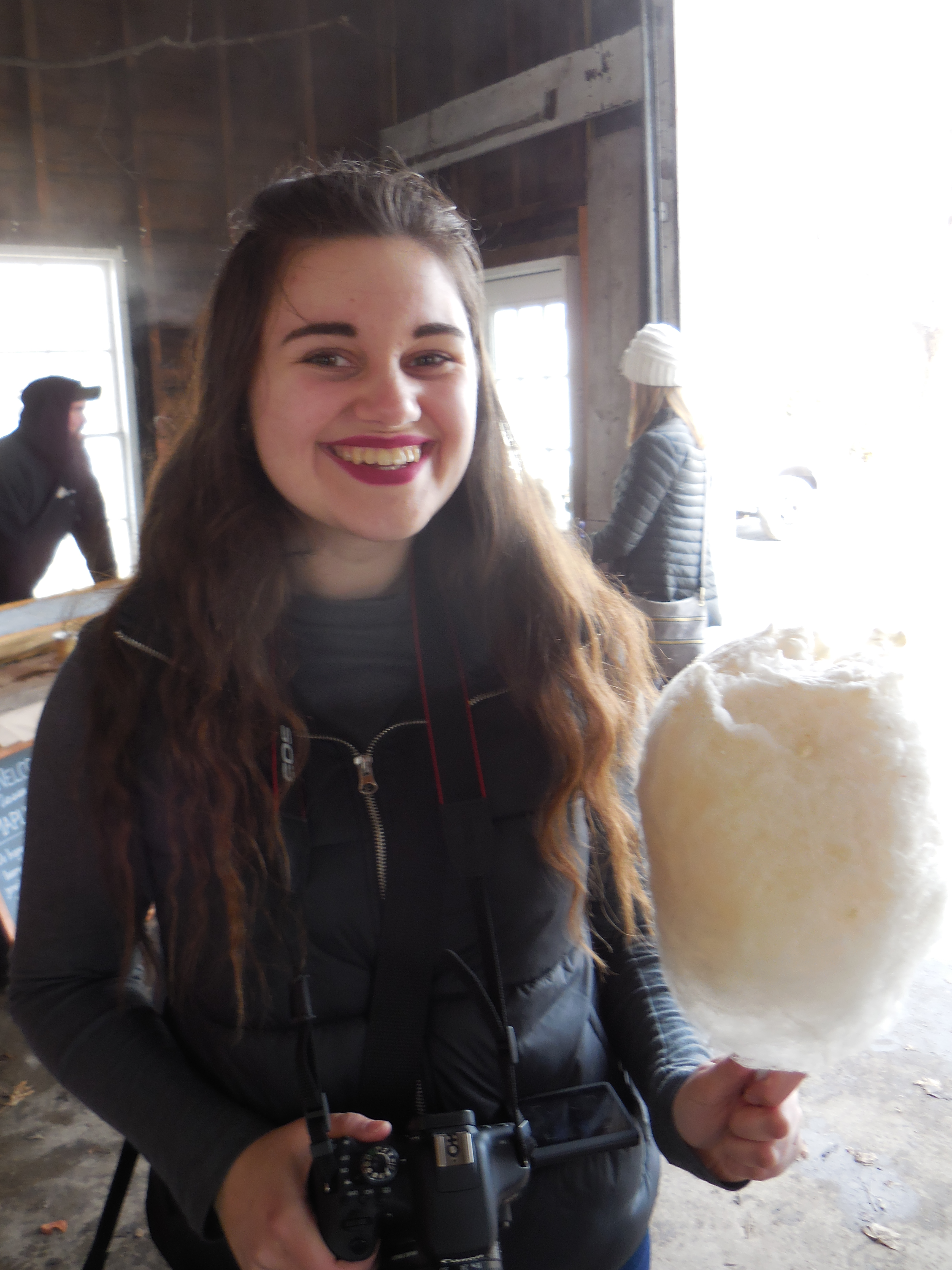
Kayla Michaud with a cone of maple sugar cotton candy inside the sugar house. 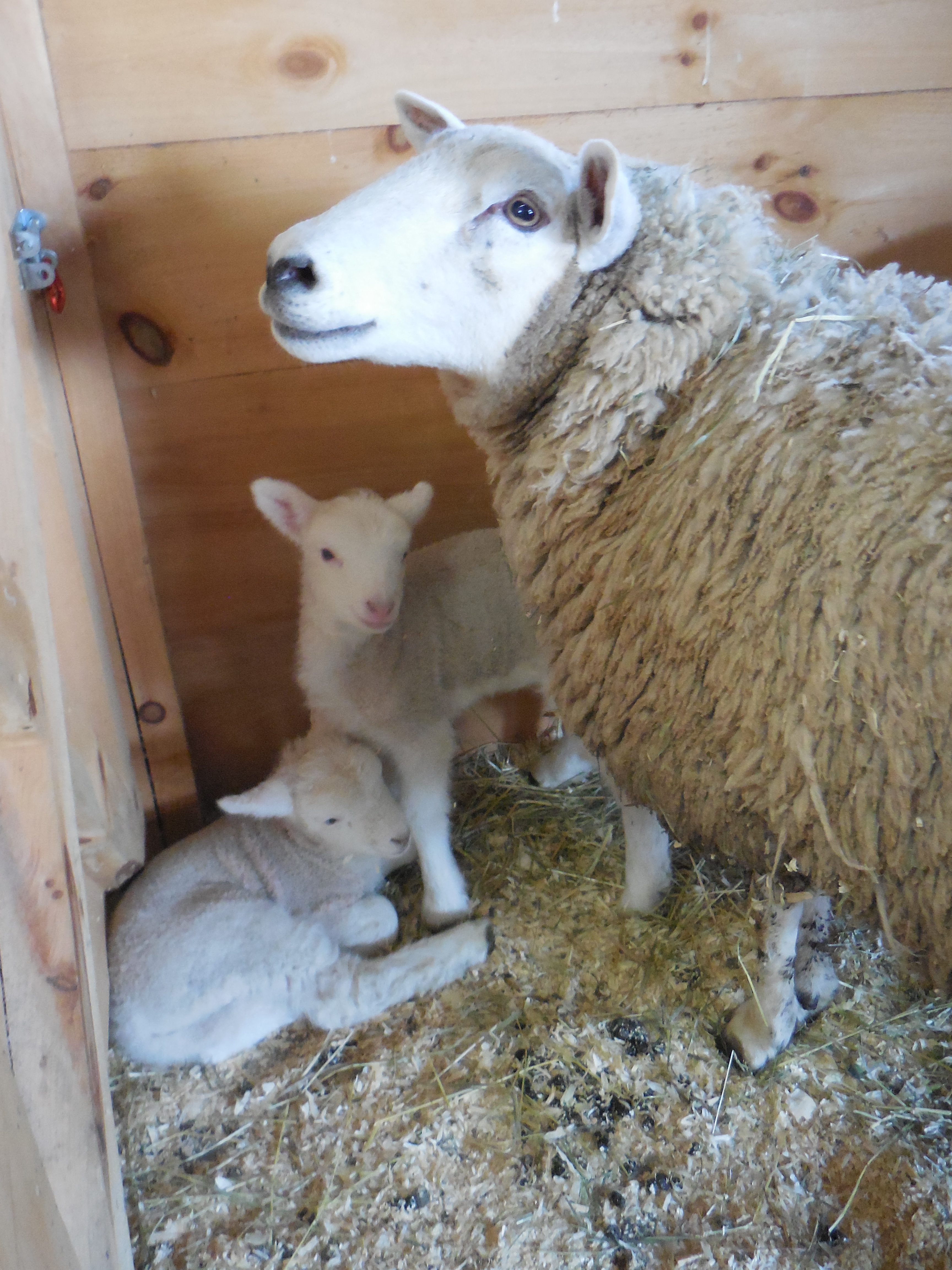
In addition to maple sugaring Hollis Hills also has a farm with livestock including this sheep and her two lambs.
Late winter and early spring are prime maple sugaring season and throughout New England this past month sugar shacks have been hosting maple weekends including Hollis Hills Farm in Fitchburg, Mass.
What makes March an ideal sugaring season is the fluctuating daytime thaw of around 10 degrees above freezing and nighttime temperatures below 32 degrees Fahrenheit said Hollis Hills owner Jim Lattanzi, who started Hollis Hills Farm with his wife Allison back in 2014.
The fluctuating late winter and early springtime temperatures put pressure on the maple trees causing sap to flow from tap holes. A tree must usually be at least 40 years old to be ready for tapping.
Hollis Hills, which prides itself as the largest maple producer in Eastern Mass., has around 6,000 taps and then processes about 80,000 gallons of maple sap each spring season.
For perspective, it takes 40 gallons of sap to make just one gallon of syrup as the watery sap from the trees contains only two percent sugar. Comparatively the usual gallon of maple syrup contains about two-thirds or 66 percent sugar in content.
To make the maple syrup farmers put the collected sap through an evaporation process to remove excess water until the sap is boiled down to the thicker caramelized sugar. Large amounts of sweet-scented steam bubble up from the “evaporator” via log fueled flames underneath the machine.
Filtration will also take place to remove any contaminants, such as dirt or tree bark, caught in the sap. The maple producer can make syrup ranging from a light and mild tasting golden color, to darker and richer amber color and taste, to even a very dark powerful tasting syrup made generally toward the end of the season.
According to the Massachusetts Maple Producers Association, sugaring season serves an important purpose in employing more than 1,000 farm workers at over 300 producers. These maple producers also serve as beacons for tourism during this season with on average over 60,000 visitors and two million dollars in revenue.
The MMPA added income from maple sugaring allows dairy farmers in the region to stay in operation by providing them with a secondary crop.
Based on the United State Department of Agriculture’s 2018 state agricultural overviews, Massachusetts produces 72,000 gallons of maple syrup. This is certainly more than the New England states to the south. Connecticut produces only 18,000 gallons annually, while Rhode Island’s production is so negligible it is not even listed in the state’s overview.
However, Massachusetts is far from being the largest producer in the region. On the flip side of things, the New England states to the north play a far greater role in maple syrup production.
New Hampshire claims third place by exceeding Massachusetts with a total of 163,000 gallons of syrup produced annually. Maine comes in second with a total of 539,000 gallons annually, but pales in comparison to Vermont.
Best noted of the New England states for maple sugar production, Vermont reigns supreme with a whopping 1,940,000 gallons produced annually.
 Food & Agriculture J301