Since opening Fall Semester 2018 the food pantry has increasingly catered to the needs of graduate students
By: Chris McLaughlin
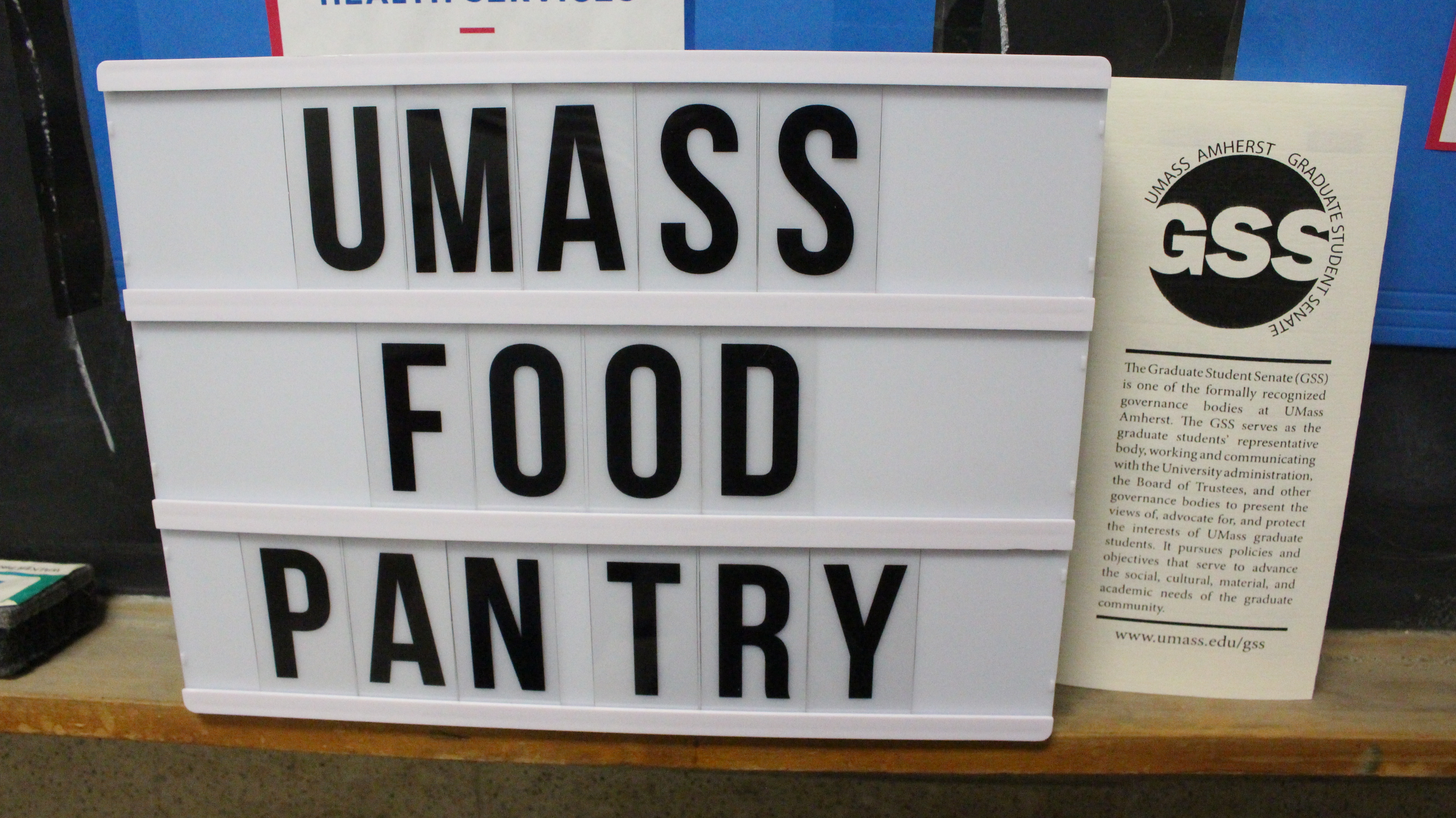
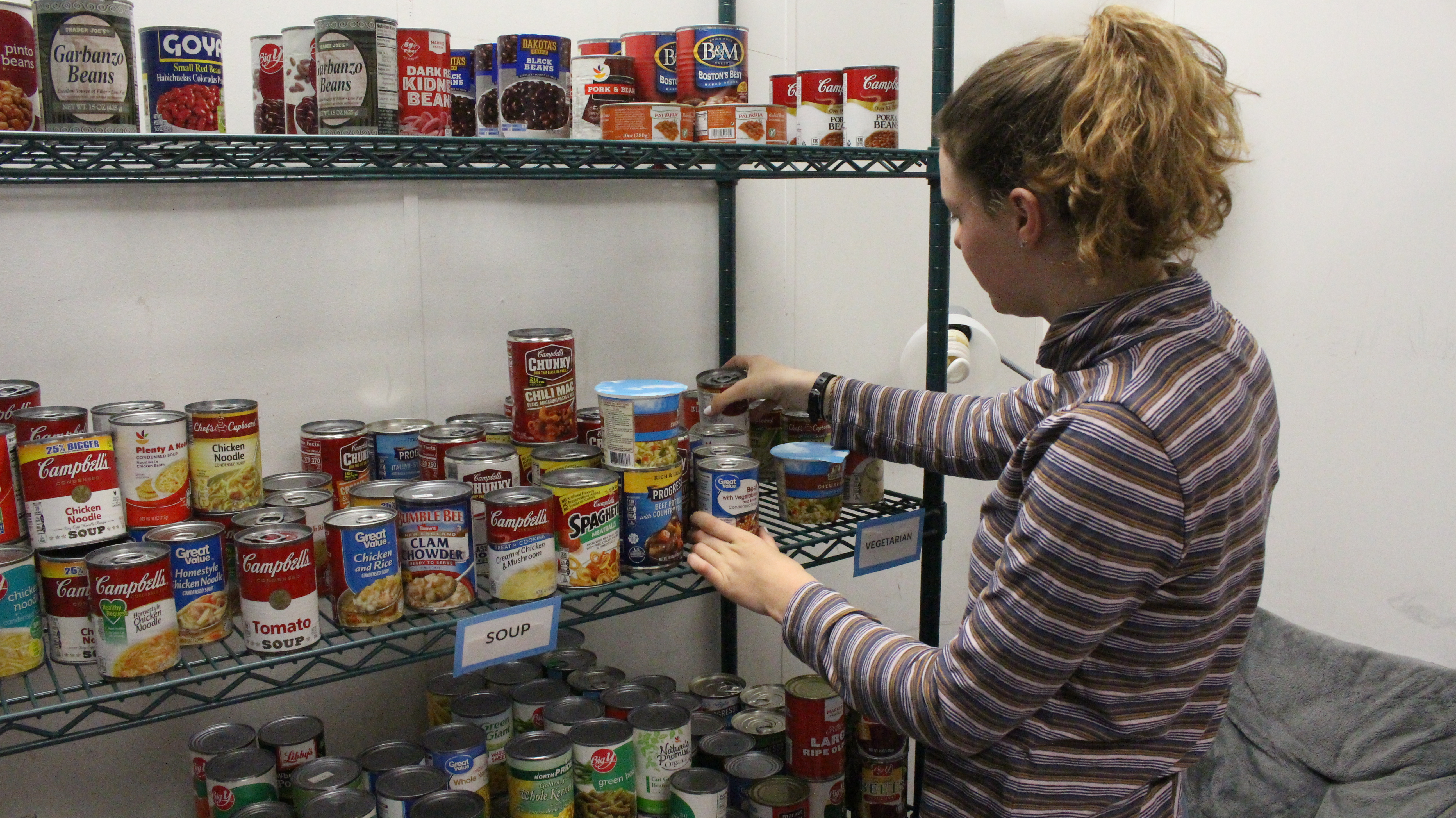
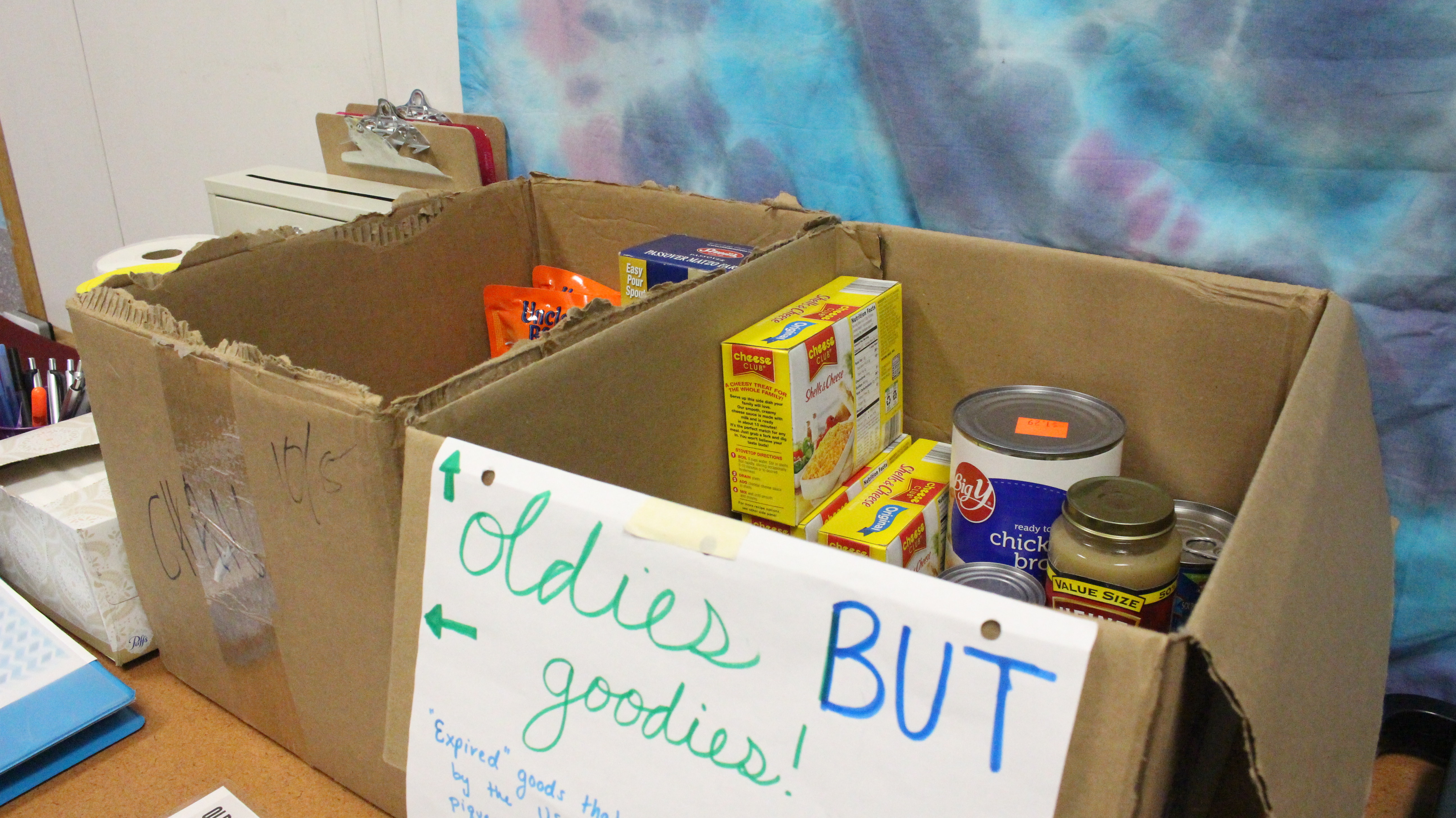
Walk into the a nondescript office space of Bartlett 317C on the third floor of Bartlett Hall, and you’ll find shelves and boxes that line the walls stocked with donated Campbell’s canned goods, Kraft brand pasta, Goya beans and more than enough snack foods. However, this seemingly obscure corner of campus at the University of Massachusetts Amherst plays a more important role than meets the eye.
The Princeton Review has ranked UMass Dining as No. 1 for three consecutive years, but at the same time the UMass Student Food Pantry, run by and for UMass students in this space, has only had higher levels of usage since opening in fall of 2018, leading to concerns about food insecurity on campus for the university’s most vulnerable populations.
“Food insecurity is a huge problem nationwide,” said Anna Drexler, a sophomore public health and women, gender and sexuality studies major. She is one of the 30 student co-organizers at the UMass Student Food Pantry and a member of Alpha Phi Omega, the national community service fraternity who founded the food pantry. Drexler has seen the food pantry evolve from concept to present.
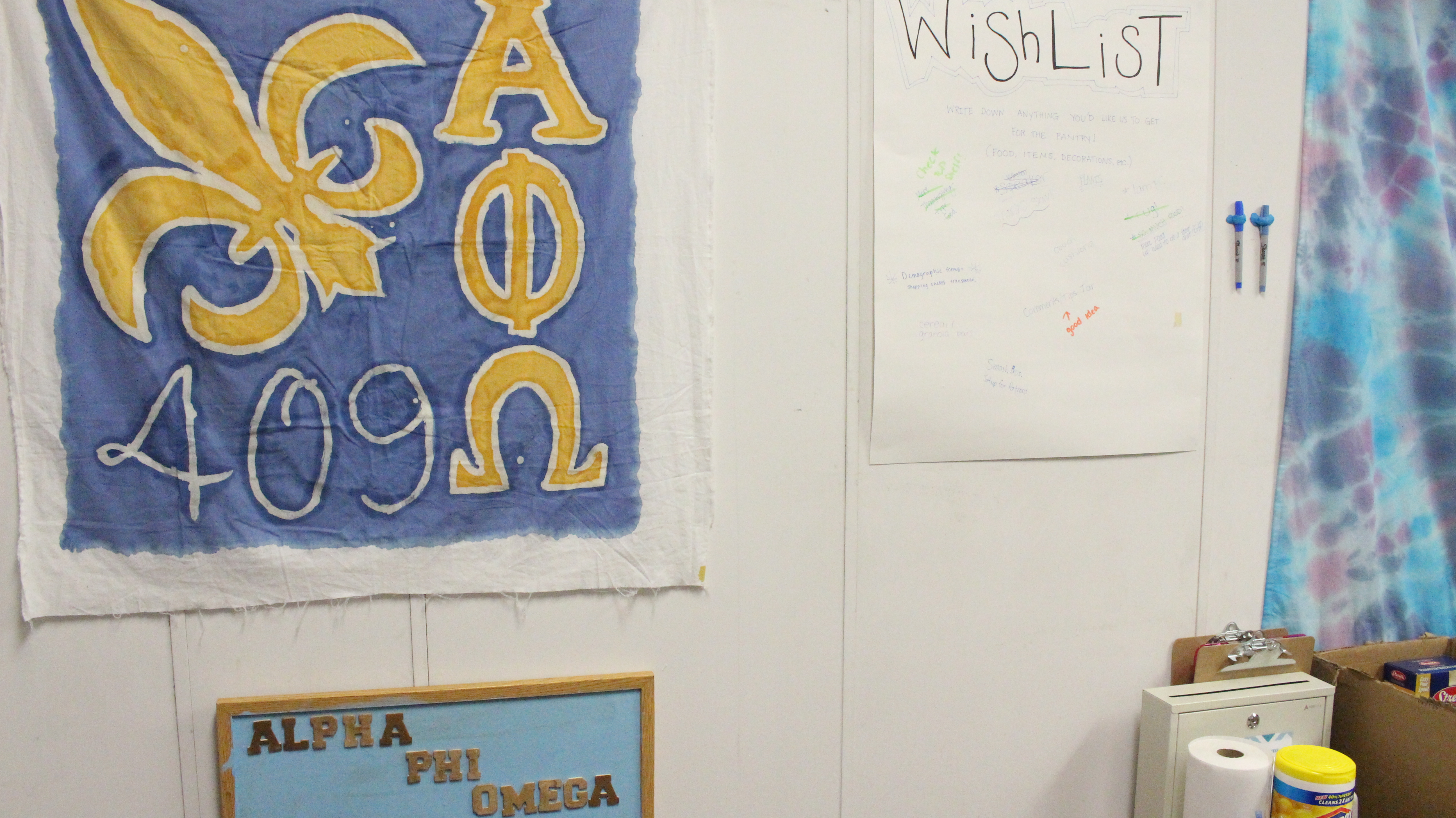
Before the pantry opened, UMass students who lack reliable sources of food, or who are “food insecure,” had to rely on regional resources such as the Amherst Survival Center or the Food Bank of Western Massachusetts. Drexler explained the campus food pantry was made to fill a void for a specifically student-run and serviced facility without outside funding. She added that many other institutions of UMass’ size and caliber also have student-run pantries.
Drexler said during its first semester in operation clients used the pantry more infrequently, but that “this semester it’s grown exponentially.”
In the first half of spring semester 2019, student usage has more than doubled to just over 150 visits compared to about 40 different students making roughly 60 recorded visits to the pantry all last semester. Drexler counts this rise in part due to the growing awareness of the pantry.
“There was also just increasing evidence that people on the UMass campus were struggling with food insecurity,” said Drexler, “particularly grad students were having this problem of not being able to afford food or maybe dropping off of the meal plans because of how UMass Dining is number one and it’s so expensive.”
Drexler explained that for graduate students, food is often the first expense to go on the chopping block as these students are often more concerned with wages, demanding work hours, high rents and other expenses other than nourishment.
While UMass Dining is ranked No. 1 nationally, it also is not inexpensive. According to statistics from UMass Dining, for the 2018-2019 academic year the meal plan prices the average “DC Basic” plan costs $2,779 per semester with the most expensive and comprehensive plan being “Unlimited +” at $3,269 while the cheapest plan “YCMP Gold” is $1,477, but this latter plan is only open to upperclassmen and includes only 100 total meals.
While the true identities of those the pantry serves are protected under confidentiality, the demographics reveal some startling realities.
Of the clientele, the demographics reveal that 72 percent identified as female based on gender and the largest proportion based on race were Asian, at 40 percent. First-generation students also made up 48 percent of clientele as well.
According to the UMass Office of Institutional Research, in Fall 2018 the UMass student body consisted of just over 7,000 graduate students and just shy of 22,000 undergraduates. However, 58 percent of pantry clients were graduate students and only 42 percent were undergraduates.
Second year master’s in higher education administration graduate student, Molly Hansen sees the issues grad students face firsthand. In a phone interview, she pointed to rising tuition and costs of living in Amherst, particularly for graduate students with families, among primary concerns for this demographic.
While the pantry normally operates Monday to Thursday from 4-7 p.m., on Fridays hours for all are pushed up to between 10 a.m.-2 p.m., while the normal time slot is allotted specifically to graduate students.
The designation is meant to accommodate the busy schedules of grad students and acts as a dignified means of providing a buffer between grad students, who tend to work in positions such as residential life and as teaching assistants, from potentially running into students they mentor.
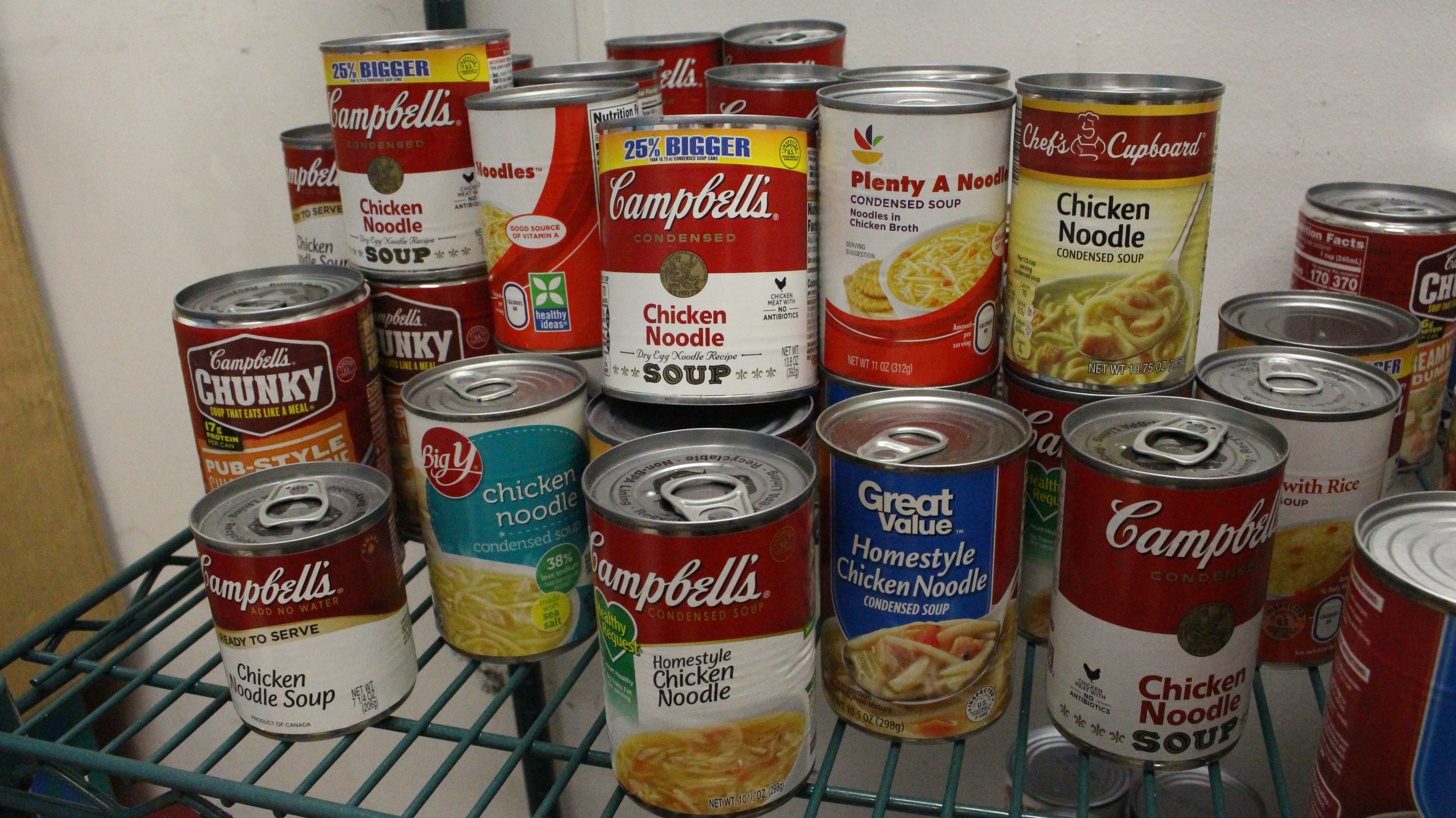
Since the pantry’s supplies are all donated, the number of items one can take in one visit varies depending on quantity of stock. However, the pantry does allow for students with dependents, such as children, to take two additional items per dependent.
Drexler said the pantry is always looking for donations of non-perishable food items adding, “We’re most looking for pasta, pasta sauce, things that make a good dinner. We’re looking for baby food, and rice and beans are really big for people.”
She added that right now the shelves of the pantry are barer than in the past due to increased usage, causing concern for donations needs as usage continues to rise.
Both Drexler and Hansen hinted toward the potential future of the food pantry to fix this dilemma. Drexler, who sits on the Student Government Association’s Administration and Finance Committee says she is currently working with Vice Chancellor Andrew Mangels and the head of UMass Dining to produce a basic meal plan that is more affordable and is hoping to roll out the new plan by fall semester.
Hansen and Drexler also floated the idea of institutionalization of the food pantry, where there would be a transfer in power from students to UMass administration. The benefits of such a move would guarantee stocked shelves and staffing to serve the facility, Hansen and Drexler both explained.
For Drexler, who has seen the pantry through its infancy to now, she feels torn on the decision to institutionalize saying, “I feel sad that it’s maybe going to be taken, but at the same time I know that’s what’s best for this pantry and what’s best for the people.”
Hansen concluded despite persistent issues of food insecurity on the UMass campus that, “The ultimate goal overall is to not need a food pantry.”
 Food & Agriculture J301